
Sadler, Houdini, and Thurston: What the Record Shows About the Magicians and the Sleeping Subject
Did Dr. William Sadler call in Harry Houdini and Howard Thurston to examine the sleeping subject? Here is what the documents from 1923, 1929, 1942, and 1960 each say, sorted by how close they stand to the events.

Every Halloween, people gather to hold séances for Harry Houdini, who died on October 31, 1926. The tradition began with his widow, Bess, who waited ten years for a prearranged code word that never came. This year a reader in the Urantia community asked a fair question in response: did Dr. William S. Sadler ever bring Houdini in to look at the "sleeping subject," the man through whom the Urantia Papers are said to have come?
The question is a good doorway into a part of Urantia history that often feels obscure. It touches the most famous magician of the century, a celebrated stage illusionist, a polar explorer, a telepathy experimenter, and a Chicago psychiatrist who spent decades exposing fraudulent mediums. It also shows how a story can grow as it is retold. This article sets out what each surviving source says, in order of how close it stands to the events, so that readers can weigh the evidence for themselves.
The People in the Story
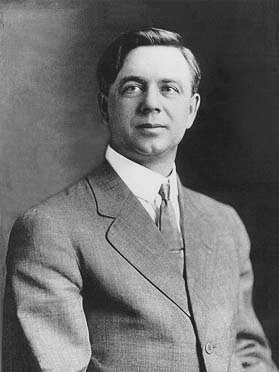
Dr. William S. Sadler (1875 to 1969) was a Chicago physician, surgeon, and later psychiatrist, a popular Chautauqua lecturer, and the author of many books on health and the mind. With his wife, Dr. Lena Kellogg Sadler (1875 to 1939), he led the Forum, the Chicago study group that met from 1923 to 1942 and received and discussed the Urantia Papers.
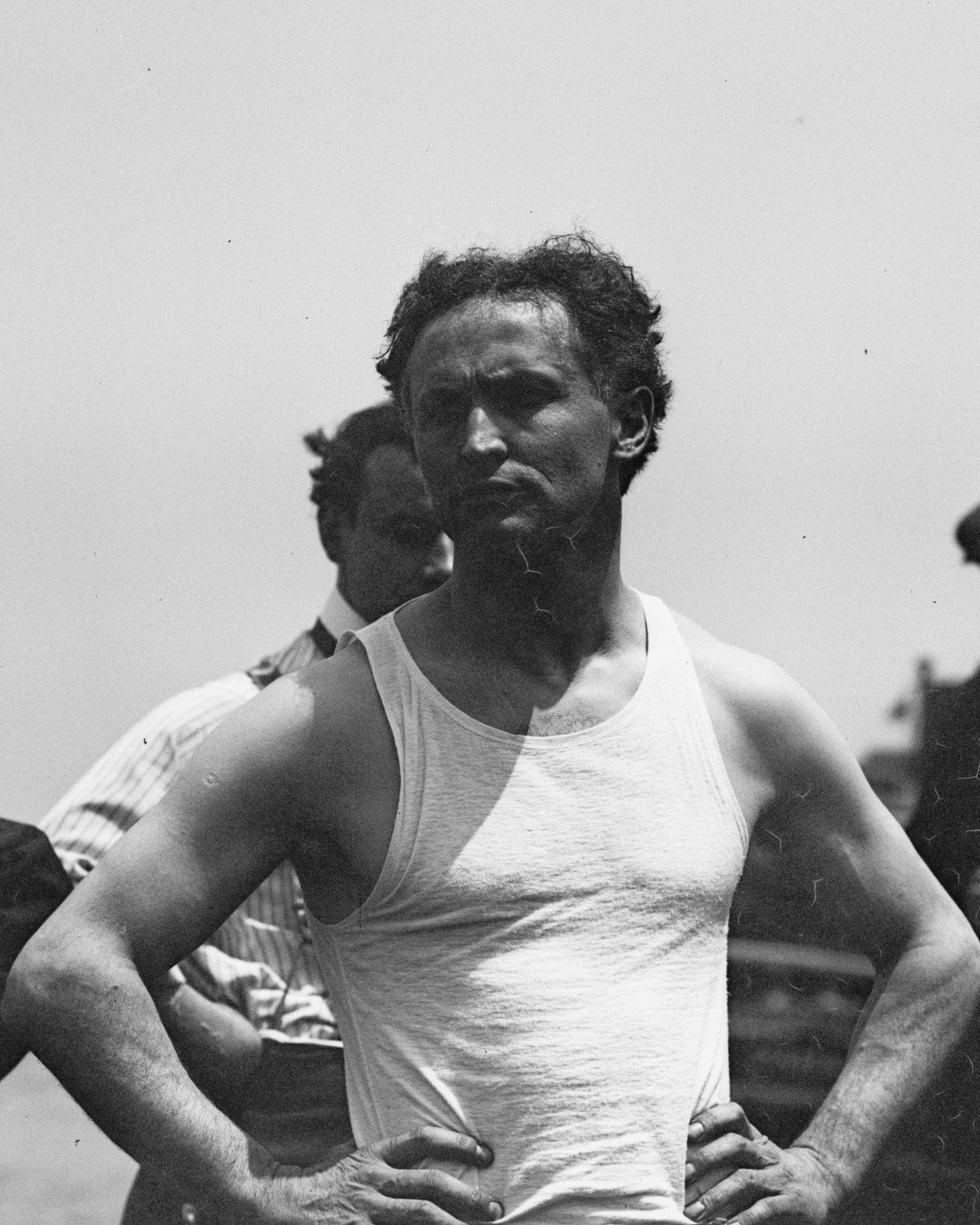
Harry Houdini (1874 to 1926) was the escape artist who, in the last years of his life, became the country's best known enemy of fraudulent mediums. He wrote A Magician Among the Spirits (1924), sat on the Scientific American committee that examined the Boston medium "Margery," and in 1926 testified at congressional hearings in support of a bill against fortune telling in the District of Columbia.
Howard Thurston (1869 to 1936) was the leading stage illusionist of the 1910s and 1920s, whose touring show was the largest of its day.
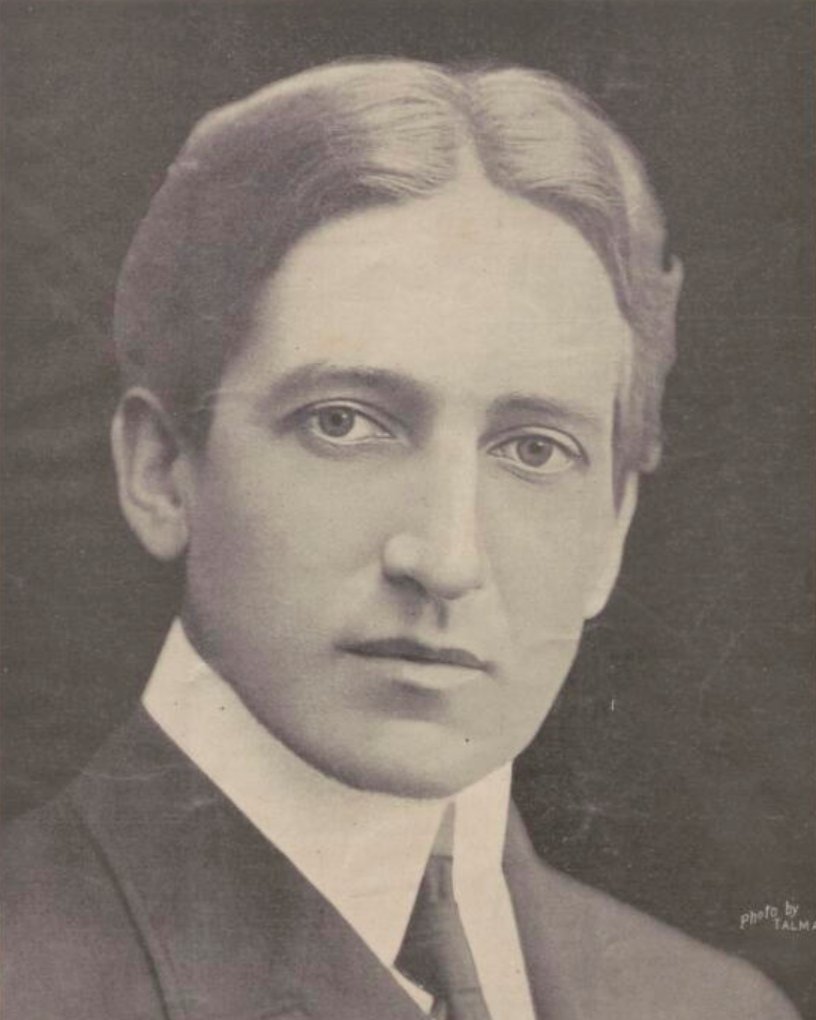
Harold Sherman (1898 to 1987) was an author and lecturer on extrasensory perception. With the Arctic explorer Sir Hubert Wilkins (1888 to 1958) he conducted a long distance telepathy experiment from October 1937 to March 1938, later published as Thoughts Through Space (1942). The Shermans moved to Chicago in May 1942 and joined the Forum that year; Sherman brought Wilkins into contact with the papers.
Source One: Sadler's Own Book on Mediums (1923)
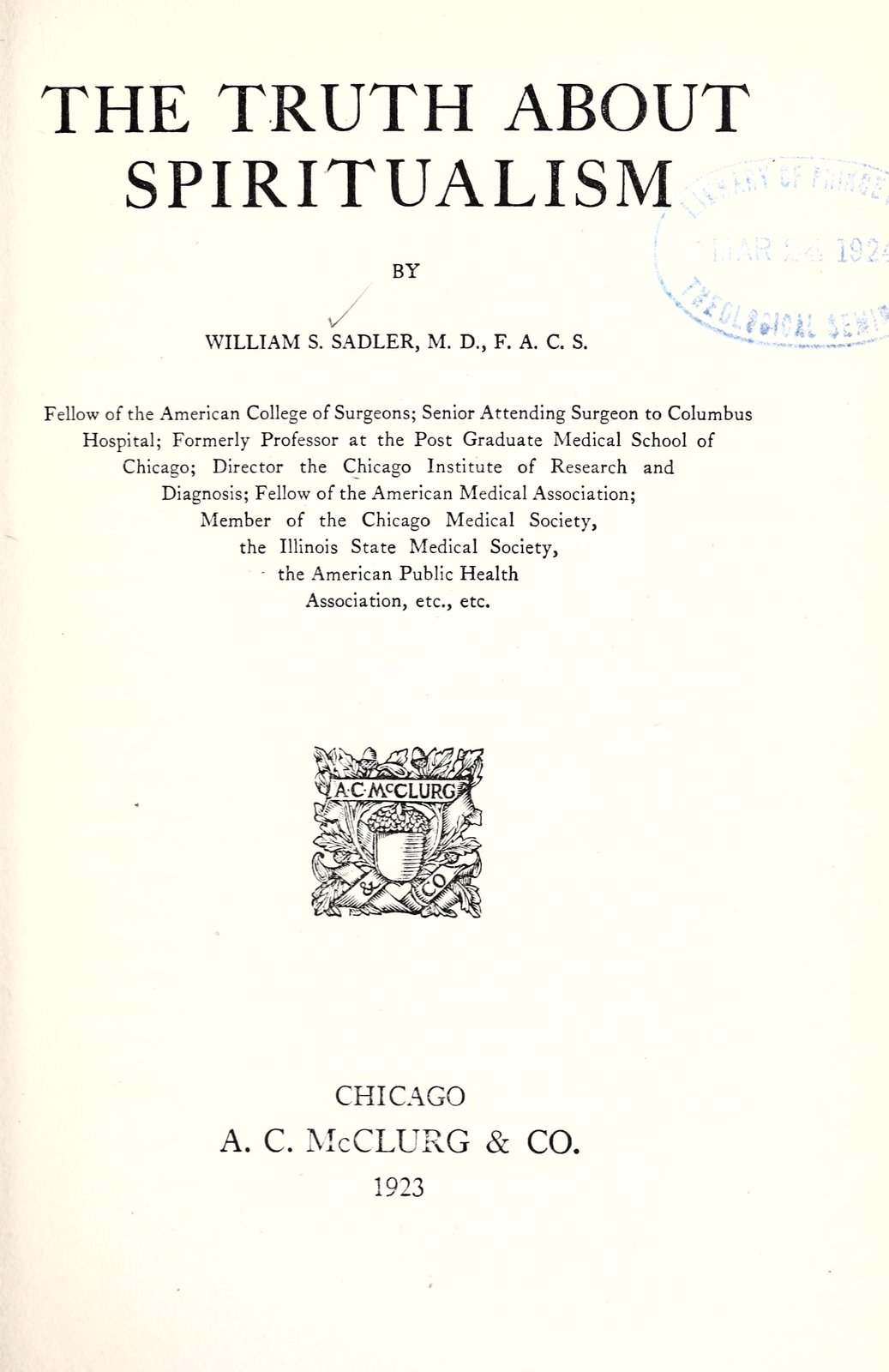
The earliest document is Sadler's The Truth About Spiritualism, published in Chicago by A. C. McClurg in 1923. In it Sadler describes more than twenty five years of studying spiritualism, attending séances in the United States and Great Britain, treating "clairvoyants, mediums, trance talkers, automatic writers" as patients, and giving public addresses on the subject from "about a dozen years ago," that is, around 1911. He states his conclusion plainly:
"In twenty-five years, I have not come in contact... with a single physical manifestation medium, but what I have been able either to detect the fraud, or impose those conditions which would have led to immediate detection." (Sadler 1923, p. 119)
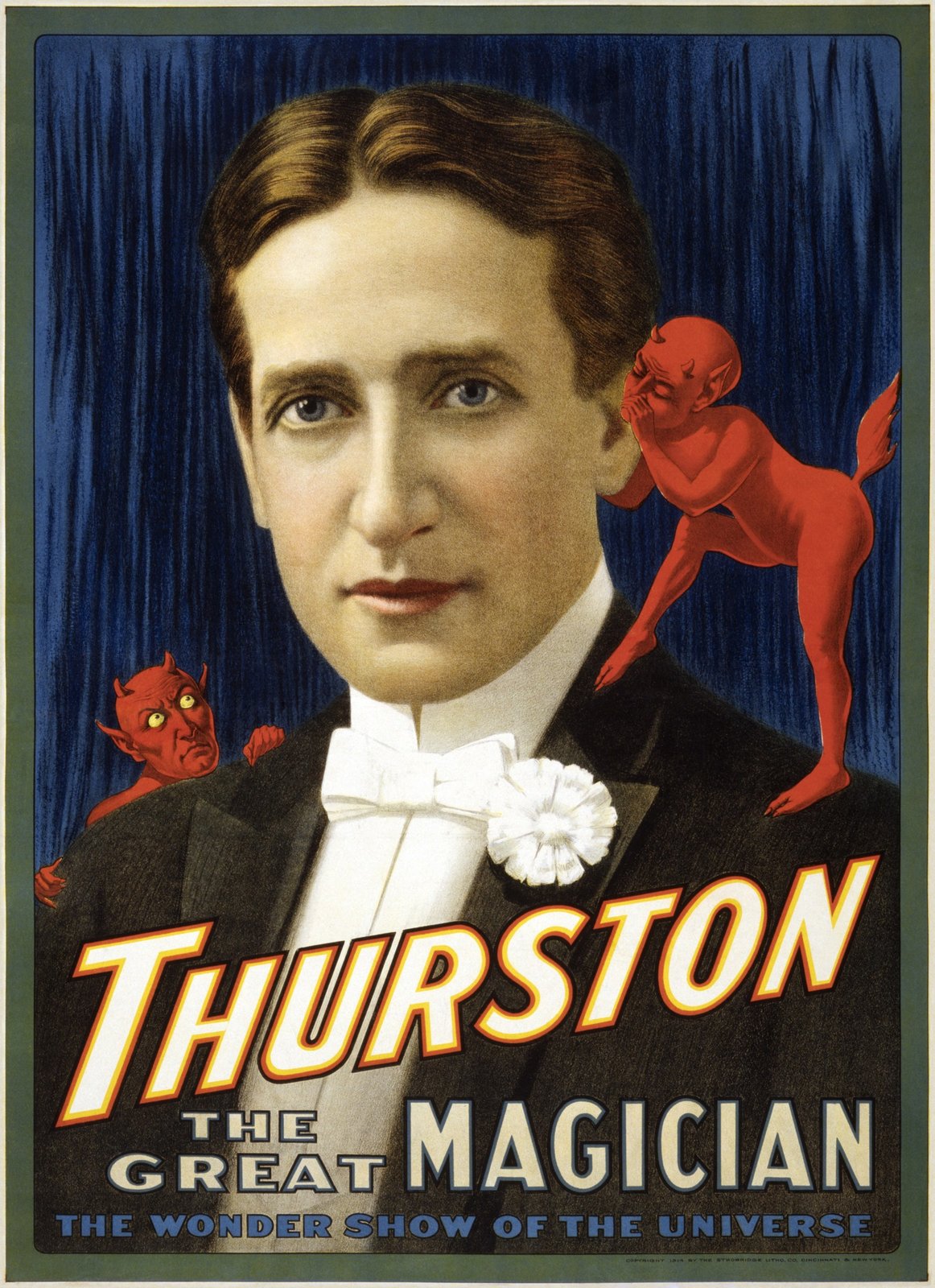
Thurston appears in this book twice. Once he is named in passing, alongside the magician Kellar, as able to show his hands free when the lights come up, as mediums with their hands tied behind their backs claimed to do. The second mention is a personal one:
"I talked with Mr. Thurston at luncheon one day while he was here recently. I think he is the greatest magician on the stage today." (Sadler 1923, p. 119)
Sadler then reports Thurston's opinion that "all performances done for money and as a commercial proposition are fraudulent." This is the only firsthand, contemporary record of Sadler and Thurston together: a luncheon conversation about fraudulent mediums. Houdini's name does not appear in the book.
Source Two: Houdini's Own Book (1924)
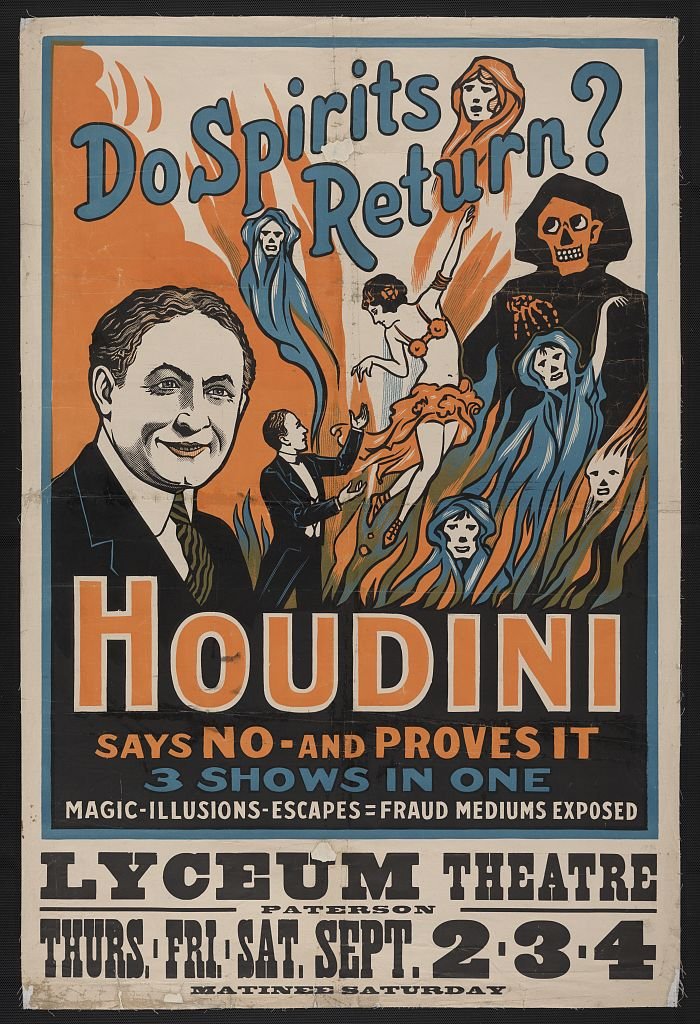
Houdini's A Magician Among the Spirits (1924) surveys the mediums he investigated, including several in Chicago. It does not mention Sadler or Thurston. No correspondence between Houdini and Sadler has yet come to light in published sources, though the large Houdini collections at the Library of Congress and the Harry Ransom Center at the University of Texas have not, to our knowledge, been searched for it.
Source Three: The Appendix to The Mind at Mischief (1929)
Six years later Sadler published The Mind at Mischief (Funk and Wagnalls, 1929), a study of the tricks the subconscious plays. Its appendix contains his only published description, during his lifetime, of the sleeping subject. He calls it "a rather peculiar case of psychic phenomena, one which I find myself unable to classify," and explains, "I have promised not to publish this case during the lifetime of the individual" (Sadler 1929, p. 382). He writes that he "was brought in contact with it, in the summer of 1911," was "present at probably 250 of the night sessions," and that the sessions produced messages from "alleged extra-planetary personalities" (p. 383). His summary:
"Eighteen years of study and careful investigation have failed to reveal the psychic origin of these messages." (Sadler 1929, p. 383)
He places the case in "a class by itself, one which has thus far resisted all my efforts to prove it to be of auto-psychic origin" (p. 384).
This is the account written closest to the events, and it is the one place where Sadler had every reason to name outside experts if he had used them. He names none. He refers to a stenographer present at many sessions, but to no physicians, scientists, or magicians. The only stage performers he names in connection with mind reading are the Zancigs, a telepathy act, in another chapter.
Source Four: What Sadler Told the Shermans (1942)
The earliest source we have found that names Houdini comes thirteen years later, and sixteen years after Houdini's death. In the summer of 1942 the newly arrived Harold and Martha Sherman questioned Sadler closely about how the papers came, and wrote down what he told them. In a diary entry dated August 7, 1942, Sadler is recorded as saying he had called in several fellow physicians as observers and "the well-known magician" Thurston; when pressed, he added that "Thurston is now dead." Sherman also preserved the origin story Sadler told the couple on the evening of August 20, 1942, which includes this line:
"and I called in other Doctors and scientists, friends of mine, as well as Houdini and Thurston. They were equally unable to furnish any explanation."
The Shermans' records are published as The Urantia Diaries of Harold and Martha Sherman, and one of the diaries' editors has reported that the Houdini line appears in volume two, in the chapter "How the Papers Came Through." Sherman also retold the August 20 story in his book How to Know What to Believe (1976), where he used fictitious names; the online Urantia Chronicles series reproduces that version with the real names restored. The Chronicles editors add that "we have found no connection between Houdini and Dr. Sadler," and that they have found no evidence of Thurston "being involved with the Urantia phenomenon." They also caution that some of Sherman's later statements differ from the diaries written at the time.
By 1942 both magicians were dead, Houdini in 1926 and Thurston in 1936, so neither could confirm or correct the account.
Source Five: Sadler's History of the Movement (1960)
Near the end of his life Sadler wrote a short history of the Urantia movement, now hosted by Urantia Foundation. He again stresses his background as an investigator, writing that apart from one or two exceptions, "all of the psychic phenomena which I have investigated have turned out to be either conscious or unconscious frauds," and that several early members of the group had experience investigating psychic phenomena. He does not mention Houdini, Thurston, or any magician.
Later Retellings
From these sources the story spread through the secondary literature. Ernest Moyer's The Birth of a Divine Revelation states that Sadler "consulted with such famous magicians as Howard Thurston and Harry Houdini to obtain insights into the deceptive methods used to convince audiences" (p. 90). Mark Kulieke's Birth of a Revelation is more careful: "I have even heard it said that he [Sadler] contacted Houdini on this matter" (3rd ed., p. 6). Some later popular accounts go further and describe Sadler as working regularly with Thurston. Longtime readers who knew Sadler personally have recalled him speaking of attending fake medium shows with Thurston, but not of Houdini.
Two other names sometimes drift into the same story. Sir Hubert Wilkins is occasionally described as one of the experts Sadler called in at the beginning. The record places Wilkins's acquaintance with the papers in 1942, through Sherman, three decades after the case began. Wilfred Kellogg, a member of the contact commission, is named as the sleeping subject only in Martin Gardner's skeptical Urantia: The Great Cult Mystery; those who knew Kellogg did not accept the identification, and the subject's identity has never been confirmed.
Weighing the Evidence
Sorted by type, the evidence looks like this:
| Claim | Contemporary documents (1923 to 1929) | Sadler's later recollection (1942) | Secondary retellings |
|---|---|---|---|
| Sadler knew Thurston and discussed fraudulent mediums with him | Yes, the 1923 luncheon | Yes | Yes |
| Thurston observed the sleeping subject | No | Yes | Yes |
| Sadler consulted Houdini on mediums | No | Not stated | Yes (Moyer) |
| Houdini was called in on the sleeping subject | No | Yes, once (August 20) | Reported as hearsay (Kulieke) |
| Wilkins examined the case early on | No | No | Occasionally |
Three readings are possible, and the record does not decide among them. Sadler may have shown the case to Thurston, and perhaps Houdini, and simply chosen not to say so in 1929, since he had promised to protect the subject's identity. The Shermans may have compressed or misremembered what they heard, or folded Sadler's well known work against mediums into the story of the sleeping subject. Or Sadler, who was known to be loose with dates and details when telling stories, may have enlarged a real Thurston luncheon into something more. Historians of the movement have noted that Sadler's later accounts sometimes differ from one another, for example on whether the case began in 1911 or several years earlier.
What can be said with confidence is this. Sadler did know Thurston and talked with him about exposing mediums. Sadler's reputation as a debunker was real, documented in his own 1923 book. Houdini's involvement rests on a single recollection recorded in 1942, unsupported by any document from Houdini's lifetime. And the one account Sadler published while the case was still unfolding names no magicians at all.
What the Book Says About Spiritualism
It is fitting that a revelation received under a debunker's eye should itself keep a clear distance from séance phenomena. In its discussion of the midway creatures, the book credits them with part of the groundwork for the revelation and then draws a firm line:
"It was the work of this secondary group, ably seconded by certain of the primary corps, that brought about the co-ordination of personalities and circumstances on Urantia which finally induced the planetary celestial supervisors to initiate those petitions that resulted in the granting of the mandates making possible the series of revelations of which this presentation is a part. But it should be made clear that the midway creatures are not involved in the sordid performances taking place under the general designation of “spiritualism.” The midwayers at present on Urantia, all of whom are of honorable standing, are not connected with the phenomena of so-called “mediumship”; and they do not, ordinarily, permit humans to witness their sometimes necessary physical activities or other contacts with the material world, as they are perceived by human senses." (77:8.13)
The book also traces the ancient roots of the medium's trance:
"Women who were able to throw themselves into a trance or a cataleptic fit became powerful shamanesses; later, such women became prophets and spirit mediums. Their cataleptic trances usually involved alleged communications with the ghosts of the dead." (90:1.3)
And it counsels against seeking such states as religious experience:
"Under no circumstances should the trancelike state of visionary consciousness be cultivated as a religious experience." (100:5.8)
A man who had spent a quarter century exposing trance mediums found in the sleeping subject one case he could not explain, and the papers that came from it describe mediumship in terms he would have recognized. Whether or not Houdini ever sat in that Chicago room, the story of the magicians points to something the record does support: the people who first studied these papers were not credulous. They were, by temperament and training, looking for the trick.
A Note on Sources and Method
Sadler's 1923 and 1929 books and Houdini's 1924 book were checked in the full scanned texts held by the Internet Archive, and page numbers refer to those editions; searches of scanned text can miss a word, so readers with the printed volumes are warmly invited to check. The 1942 Sherman recollections are quoted as reproduced in the Urantia Chronicles series (the August 20 passage from Sherman's 1976 book, with real names restored by the editors); we have not yet compared them with the printed Urantia Diaries. The Moyer and Kulieke passages are given as quoted by a longtime reader and have not yet been checked against the books. Quotations from The Urantia Book were checked against the standard text. Corrections and additional documents are welcome, especially any Houdini or Thurston correspondence that mentions Sadler. All images are public domain historical materials from the Library of Congress, Wikimedia Commons, and the Internet Archive.
References
- Houdini, Harry. A Magician Among the Spirits. New York: Harper and Brothers, 1924.
- Kulieke, Mark. Birth of a Revelation: The Story of the Urantia Papers. 3rd ed.
- Lewis, Sarah. "The Peculiar Sleep: Receiving The Urantia Book." In The Invention of Sacred Tradition, edited by James R. Lewis and Olav Hammer, 199 through 212. Cambridge: Cambridge University Press, 2007.
- Gardner, Martin. Urantia: The Great Cult Mystery. Amherst, NY: Prometheus Books, 1995.
- Moyer, Ernest P. The Birth of a Divine Revelation: The Origin of the Urantia Papers. 2000.
- Sadler, William S. The Truth About Spiritualism. Chicago: A. C. McClurg, 1923.
- Sadler, William S. The Mind at Mischief: Tricks and Deceptions of the Subconscious and How to Cope with Them. New York: Funk and Wagnalls, 1929.
- Sadler, William S. "A History of the Urantia Movement." 1960. Urantia Foundation, urantia.org.
- Sherman, Harold, and Martha Sherman. The Urantia Diaries of Harold and Martha Sherman. Vol. 2.
- Praamsma, Saskia, comp. and ed. Urantia Chronicles. squarecircles.com.
- Sherman, Harold. How to Know What to Believe. 1976.
- Wilkins, Hubert, and Harold M. Sherman. Thoughts Through Space. New York: Creative Age Press, 1942.
Derek Samaras | Urantia Book Network | November 2026
Connecting Articles

The Plan Behind the Revelation: How The Urantia Book Reached the World

The Quiet Government: What Paper 114 Says to a Movement That Feels Like It Failed
Revelation Made Livable: Meredith Sprunger's Challenge to the Movement
The Woven World: Carpet, Thread, and the Loom of Eternity
The Newsletter
Get the research behind each piece
Free. New Urantia Book explorations, the sources behind the videos, and early looks. No spam, unsubscribe anytime.
Prefer video? Follow on YouTube and Facebook.
Delivered through Substack. You can also read past issues.