
The Discourse on Prayer, Part One: Jesus Answers Thomas
Thomas asked the Master to teach them how to pray. His answer at Mount Gilboa covers persistence, sonship, and why prayer changes the one who prays.
The Discourse on Prayer, Part One
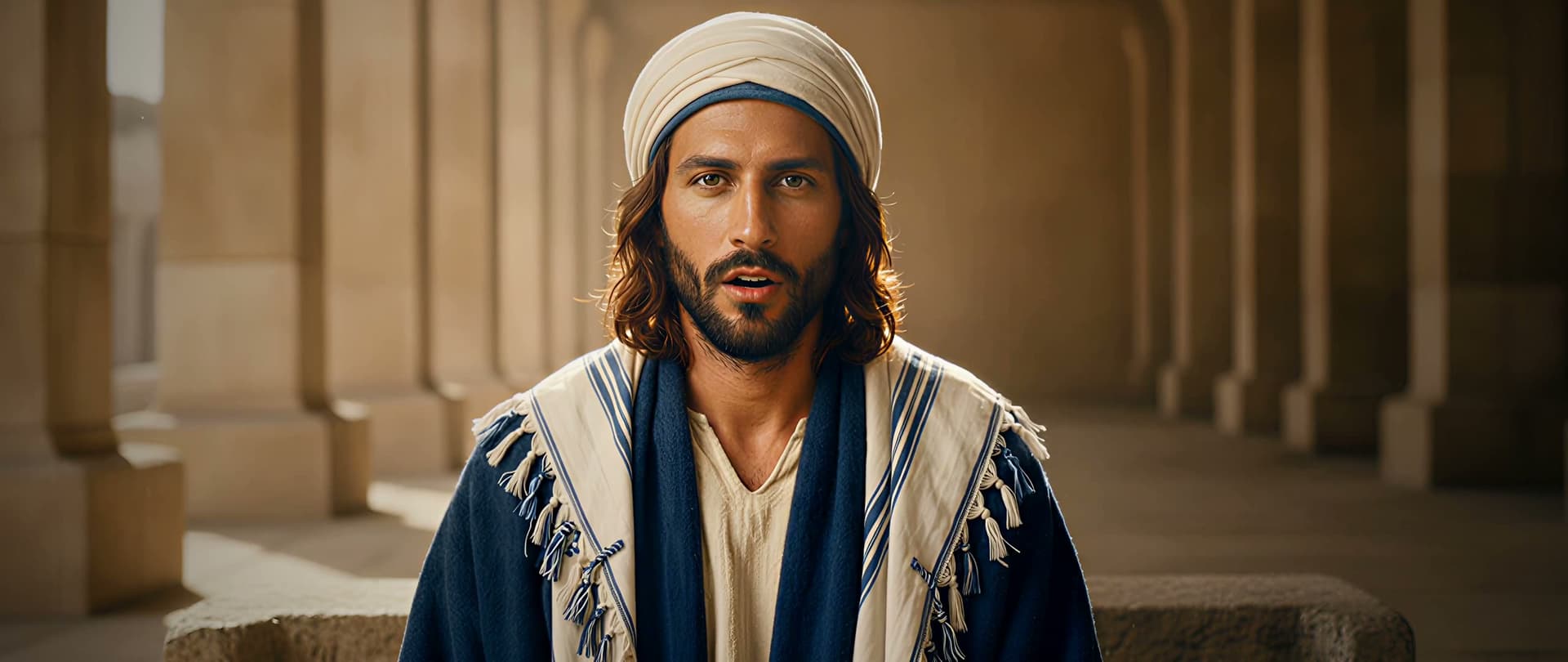
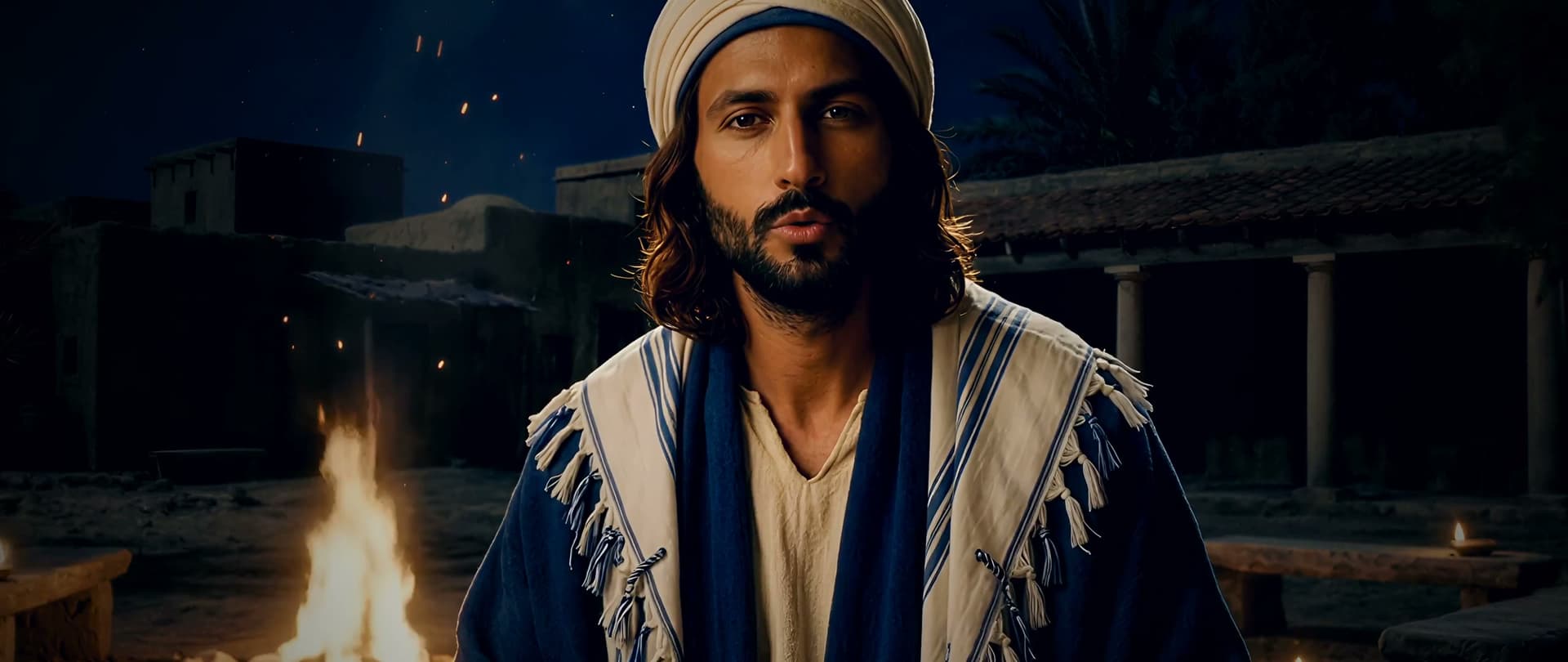
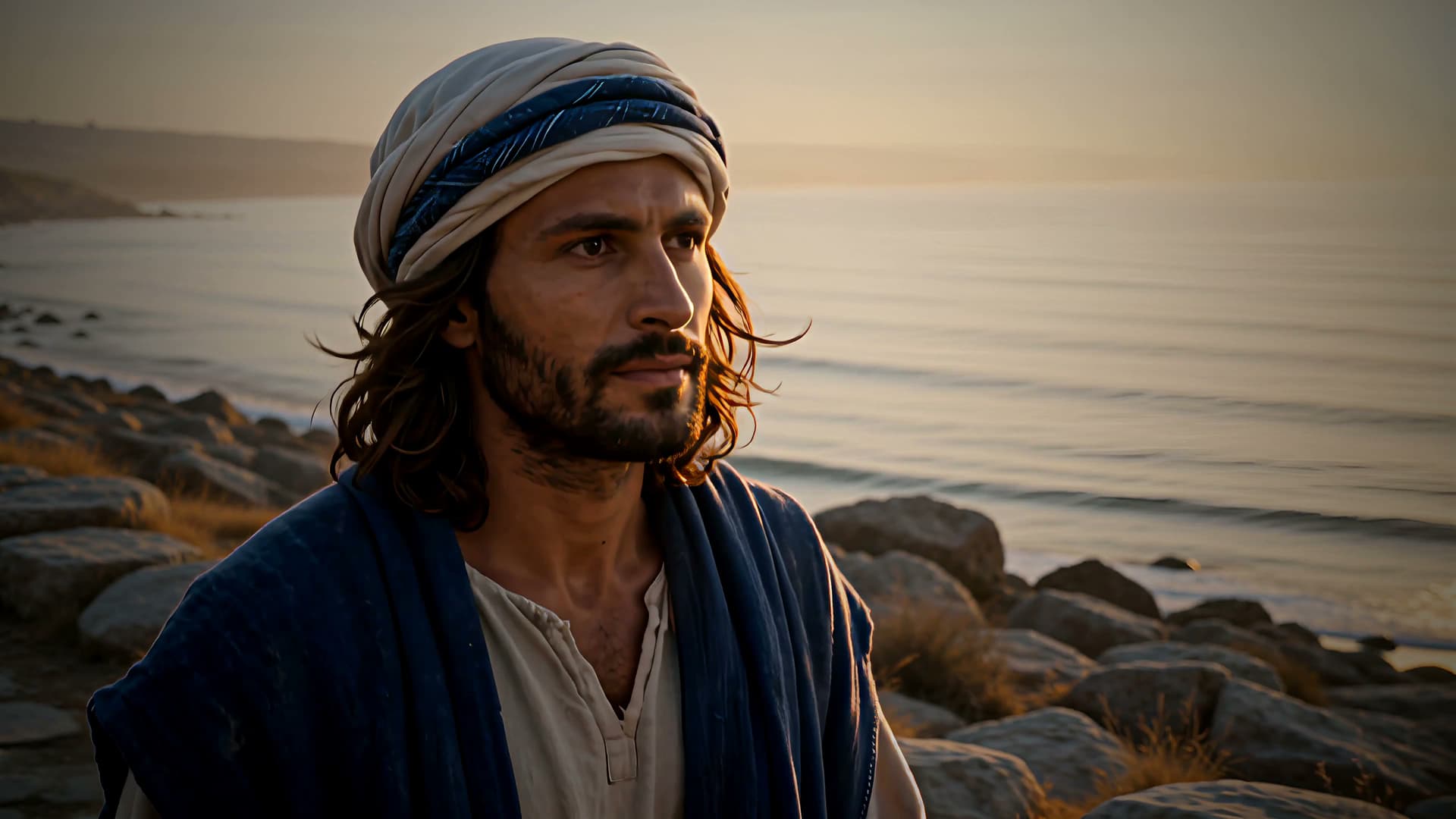
The film begins in Samaria. The apostles have been preaching in Sychar, and the camp on Mount Gerizim is full of teaching about worship. Then the story moves to a quiet retreat on Mount Gilboa, where Thomas asks the question the film is built around: Master, teach us how to pray.
It follows Papers 143 and 144 of The Urantia Book and runs about fifteen minutes. Part One covers the discourse and the teaching around it.
Prayer and worship first
On Mount Gerizim the focus is worship, and the book draws a line between the two:
“Prayer is spiritually sustaining, but worship is divinely creative.” (143:7.5)
Prayer sustains. Worship creates. Keep both in mind as the film moves to Gilboa.
Persistence
Jesus answered Thomas with a story about a friend who knocks at midnight, and he drew the lesson plainly:
“Prayer is the breath of the soul and should lead you to be persistent in your attempt to ascertain the Father’s will.” (144:2.3)
Then the widow and the unjust judge. Here the book is careful about what persistence is for:
“Your persistence, however, is not to win favor with God but to change your earth attitude and to enlarge your soul’s capacity for spirit receptivity.” (144:2.5)
Prayer does not talk God into anything. It changes the one who prays.
Even a poor prayer is not wasted
“The earnest and longing repetition of any petition, when such a prayer is the sincere expression of a child of God and is uttered in faith, no matter how ill-advised or impossible of direct answer, never fails to expand the soul’s capacity for spiritual receptivity.” (144:4.2)
You do not have to pray it right. You have to pray it sincerely.
What limits the answer
“The soul’s spiritual capacity for receptivity determines the quantity of heavenly blessings which can be personally appropriated and consciously realized as an answer to prayer.” (144:4.4)
The limit is on our side. The Father is not the one holding back.
A cure for turning inward
“Prayer is an antidote for harmful introspection.” (144:4.6)
And Jesus himself:
“The Master usually prayed in the plural, not in the singular.” (144:4.6)
Prayer for others was part of how he lived it:
“Only in the great crises of his earth life did Jesus ever pray for himself.” (144:4.6)
Where the film ends
Jesus taught that real prayer is personal, spontaneous, and unselfish, and that it is not a set form of words. The apostles still wanted something they could teach new believers, and the book records what they asked for next:
“But the apostles were not yet satisfied; they desired Jesus to give them a model prayer which they could teach the new disciples.” (144:3.1)
Watch the film above, then read the source: Paper 144 at urantia.org. The film closes with a question, and it is a good one to sit with: what do you think about Jesus’ teaching about prayer and worship?
The visuals are an AI-assisted cinematic dramatization. The words are from the book.
Connecting Articles
The Newsletter
Get the research behind each piece
Free. New Urantia Book explorations, the sources behind the videos, and early looks. No spam, unsubscribe anytime.
Prefer video? Follow on YouTube and Facebook.
Delivered through Substack. You can also read past issues.